TL;DR
Flying in the 1980s was a different world altogether. From spacious legroom to complimentary meals, discover how the golden age of air travel contrasts with today's frustrating flying experience.
Introduction
Remember the days before air travel became synonymous with cramped seats and baggage fees? The 1980s were a golden age for airlines, filled with amenities that travelers now reminisce about with a mix of nostalgia and disbelief. Today, as we navigate modern frustrations in air travel, it's fascinating to look back at what flying was really like four decades ago. Let’s explore the key differences—and some surprising similarities—between airline flights in the 80s and the experience we know today.
The Comfort Factor: Legroom and Space
Room to Breathe
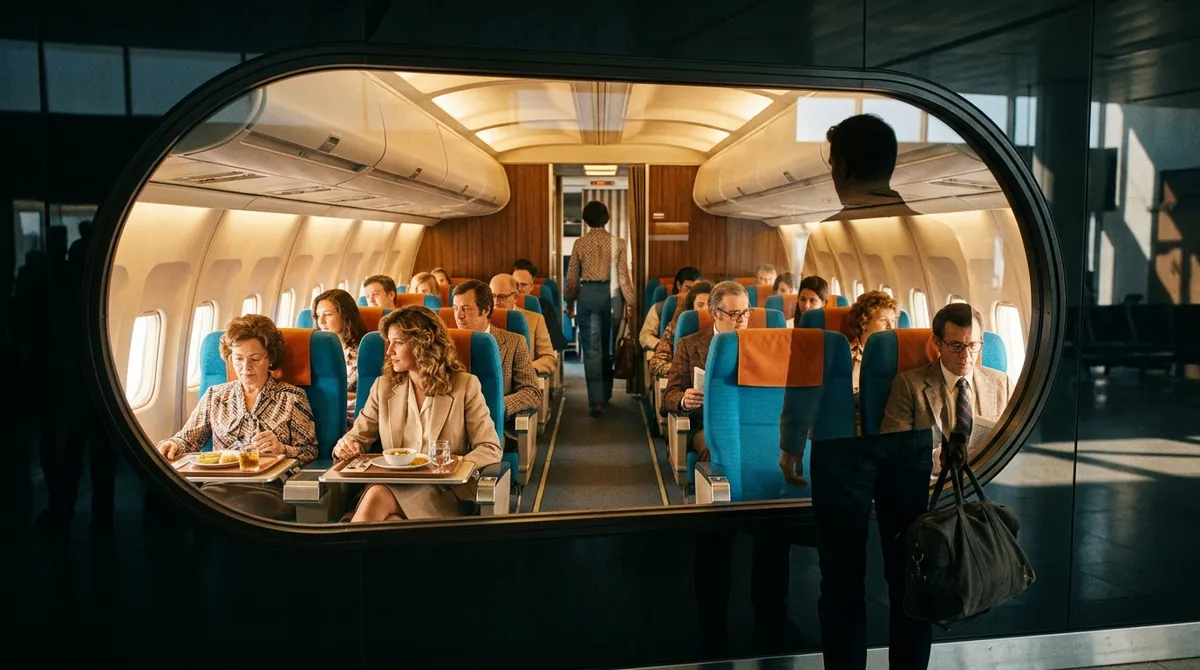
One of the most noticeable differences between 80s air travel and today is the seat space. Back in the day, the average seat pitch—the measurement between rows—was significantly more generous. With somewhere around 34 to 36 inches of legroom, passengers could stretch their legs, settle in with a book, or even nap without feeling like a pretzel.
The Modern Squeeze
Fast forward to now, and many airlines have reduced that space to as little as 28 inches. With profit margins tighter than ever, passenger comfort often takes a back seat (literally). People often joke about needing to book a chiropractor appointment post-flight, a stark comparison to the spacious comfort of the 80s.
Dining at 30,000 Feet: A Difference in Taste
Gourmet Experiences
In the 80s, flying felt luxurious, especially when it came to meals. Airlines proudly served multi-course meals on proper tableware, complete with metal utensils—no plastic in sight! These meals were typically wholesome and filling, making the journey feel special.
The Modern Snack
Contrast that to today. While some airlines still offer complimentary meals on international flights, many domestic routes have scrapped the full meal experience in favor of snacks, and even charging for those. Travelers joke that while their seats may have shrunk, their lunch options have shrunk even more.
Smoking Sections: A Fading Trend
Puffing in the Sky
Believe it or not, the ability to smoke on airplanes was a normality in the 80s, as roughly half of the planes had designated smoking sections. This allowed smokers to light up at cruising altitude—a practice many today find hard to fathom.
Gone with the Wind
However, as health awareness grew and regulations tightened, smoking sections vanished. The air travel landscape has certainly shifted, and most travelers today are quite content with non-smoking policies, breathing a sigh of relief that they don’t have to inhale secondhand smoke during their flights.
Entertainment: A Different Kind of Distraction
Reel It In
Back in the 80s, movies were a part of inflight entertainment, sometimes even shown on larger screens or dropped into personal TV screens—at least on international flights. These films were curated selections that passengers looked forward to during their journey, fostering a sense of community among “fellow viewers.”
Today’s Distractions
Nowadays, travelers often bring their own devices, downloading shows, films, or games to stay entertained during flights. While this freedom is great for personal choice, it can make the flying experience feel more solitary. Airlines have tried to keep up with tech by offering Wi-Fi, but inconsistent connectivity often leads to frustration instead of fulfilling entertainment.
Service with a Smile: The Human Touch
Friendly Skies
One of the hallmarks of air travel in the 80s was the customer service culture. Flight attendants, often seen as the face of the airline, took pride in their roles, offering warm smiles, personalized service, and, at times, extravagant perks. Passengers were often greeted with attention and care, making the experience feel intimate.
A Shift in Dynamics
Today, while flight attendants still strive to provide good service, they often face heavy workloads with flight schedules that prioritize efficiency over personal touch. As they juggle multiple tasks—from serving meals to ensuring safety—the experience can become more transactional, leaving travelers yearning for the warmth of yesteryears.
The Myth of Nostalgia: What We Might Be Overlooking
Downsides of the 80s
While it’s easy to reminisce about the perks of 80s air travel, we must also acknowledge some challenges that accompanied that era. Overbooked flights were common, and ticket prices often reflected an era of less budget-conscious flying. This left many to navigate the stressors of canceled flights or vague policies that didn’t favor the passenger.
A Balanced Perspective
Rather than viewing the 80s as the epitome of air travel perfection, it’s essential to recognize that there were downsides back then too. Each era has its pros and cons, and as we continue to fly in a world filled with changes, we can find appreciation in the evolution of experiences.
Conclusion
Nostalgia for the past is natural, especially when modern air travel often feels tedious. Revisiting the perks and challenges of the 1980s offers an insightful perspective on just how far we’ve come. Embracing the entertaining quirks and comforts of the 80s can remind us of the joy of flying, sparking the idea that perhaps, while areas such as legroom and meals might be on a decline, the spirit of adventure that travel embodies remains timeless.