The Rise of Playcations in American Travel
A new trend is reshaping how Americans approach their summer getaways, with travelers increasingly choosing short-haul trips focused on active outdoor adventures over traditional vacations. According to Airbnb's 2025 travel report, these "playcations" are gaining popularity among US summer travelers seeking hands-on experiences in nearby destinations.
What Defines a Playcation
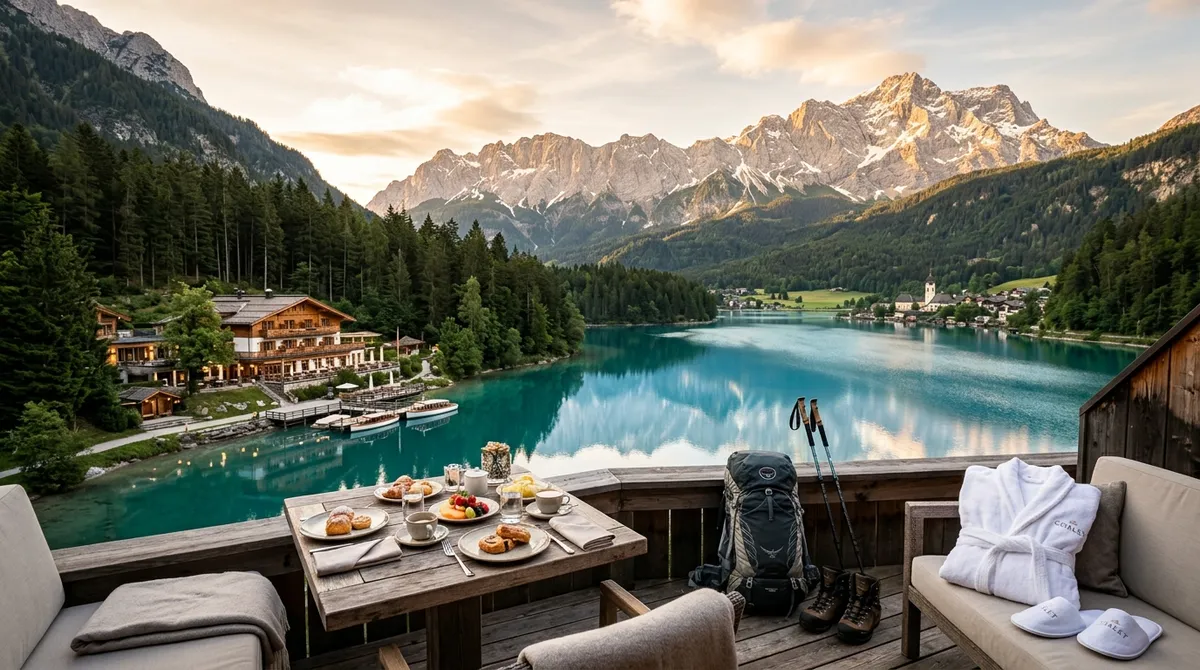
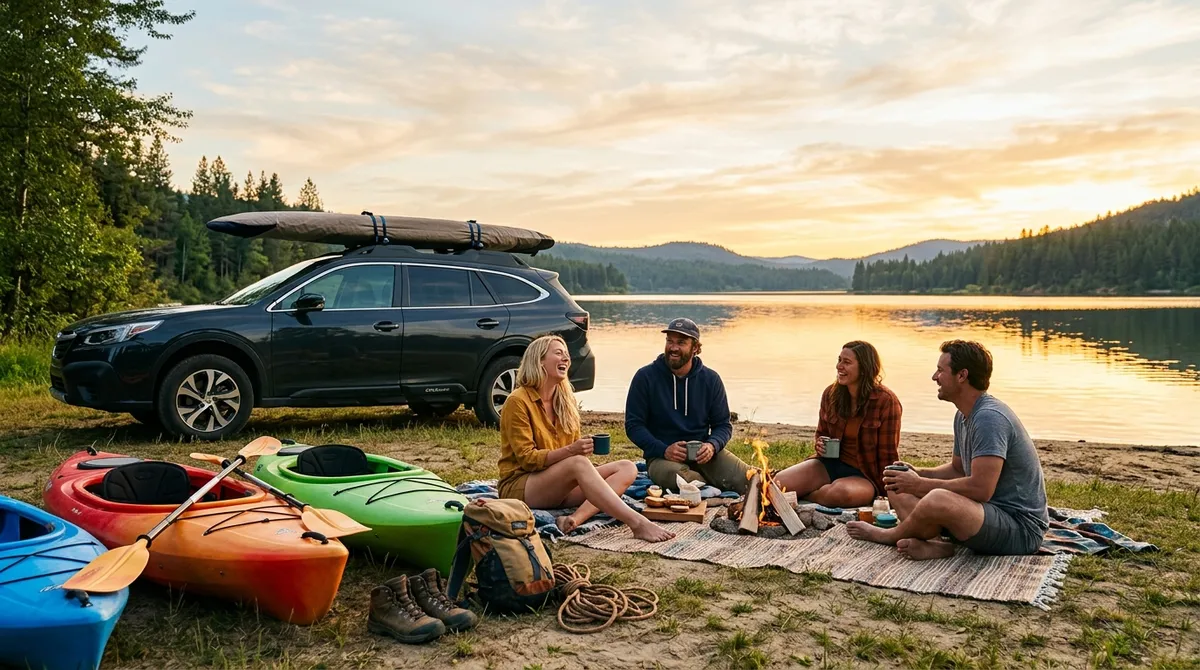
Playcations represent a shift toward activity-based getaways that prioritize outdoor engagement over passive relaxation. These trips typically involve hiking, surfing, boating, paddling, kayaking, and other outdoor pursuits that encourage travelers to actively participate in their destination experience rather than simply observe it.
The trend reflects post-pandemic priorities around wellness, authenticity, and meaningful connection, according to reports. Rather than seeking distant exotic locations, travelers are discovering rich experiences closer to home through outdoor play and adventure.
Popular Playcation Destinations
Several US destinations are emerging as playcation hotspots, according to the travel report. Newport Beach offers coastal activities and water sports, while South Carolina provides diverse outdoor opportunities across its varied landscapes. Colorado continues to attract adventure seekers with its mountain recreation options, and Delaware is gaining recognition as an accessible outdoor destination.
These locations offer the perfect combination of natural settings and activity infrastructure that playcation travelers seek, providing multiple options for outdoor engagement within relatively short travel distances.
The Wellness Connection
Expert insights highlight significant mental and social health benefits associated with outdoor play, according to reports. These activities are believed to reduce stress while building genuine human connection through shared outdoor challenges and unplugged time away from digital distractions.
The emphasis on wellness through outdoor activity represents a meaningful shift in how Americans view travel's role in their overall health and well-being. Rather than viewing vacations purely as escape, travelers are increasingly seeking experiences that contribute positively to their mental and physical health.
Budget-Friendly Travel Alternative
The playcation trend also appeals to budget-conscious travelers seeking memorable experiences without long-haul costs, according to reports. By staying closer to home, families and individuals can allocate more resources toward activities and experiences rather than transportation and accommodation expenses associated with distant destinations.
This approach allows travelers to enjoy richer experiences while managing travel budgets more effectively, particularly important as economic considerations continue to influence travel decisions.
Family and Relationship Benefits
Reports indicate that playcations offer unique opportunities for relationship and family bonding through shared outdoor challenges. These experiences create natural environments for meaningful interaction without the distractions common in everyday life or traditional vacation settings.
The unplugged nature of many outdoor activities encourages face-to-face connection and collaborative problem-solving, whether families are navigating hiking trails together or learning new water sports as a group.
Looking Ahead
As summer travel planning reaches its peak, the playcation trend suggests a lasting shift in American travel preferences. The combination of wellness benefits, budget considerations, and desire for authentic experiences appears to be driving sustained interest in active, local travel options.
This movement toward short-haul, activity-focused travel represents more than a temporary trend, reflecting deeper changes in how Americans prioritize their time, money, and well-being when planning getaways. The emphasis on outdoor play and nearby destinations suggests that meaningful travel experiences don't necessarily require distant destinations or elaborate itineraries.