Cork Stakes Its Claim as Ireland's Culinary Capital
Cork, Ireland is rapidly establishing itself as a must-visit destination for food enthusiasts, positioning itself as the country's second-largest food hub after Dublin. According to reports, the city has become a premier culinary destination featuring an impressive array of Michelin-starred restaurants, farm-to-table dining experiences, artisan producers, and renowned cooking schools.
This emergence comes at a pivotal time as food tourism and culinary travel are experiencing significant growth in the post-pandemic era. With new hotels scheduled to open through 2027 and a thriving local dining scene, Cork appears to be capturing attention before becoming oversaturated with visitors.
Michelin-Starred Excellence and Local Favorites
The city's restaurant scene showcases both fine dining and casual eats that highlight local ingredients and innovative cooking techniques. According to reports, standout establishments include Bastion, Elbow Lane, and Black Pig Wine Bar, each contributing to Cork's reputation for exceptional cuisine.
The dining landscape extends beyond upscale restaurants to include popular casual spots like Son of a Bun, creating a diverse culinary ecosystem that appeals to various tastes and budgets. This blend of fine dining and accessible local eateries has become a defining characteristic of Cork's food scene.
Historic Markets Meet Modern Culinary Education
At the heart of Cork's food culture lies the historic English Market, which serves as a cornerstone of the city's culinary identity. The market represents the farm-to-table philosophy that many local chefs embrace, connecting diners directly with local producers and artisans.
For visitors seeking hands-on culinary experiences, Ballymaloe Cookery School offers cooking classes that allow food lovers to learn from local experts. These educational opportunities have become integral to Cork's appeal as a food tourism destination, providing visitors with skills they can take home while deepening their appreciation for Irish cuisine.
Contemporary Accommodations for Food-Focused Travel
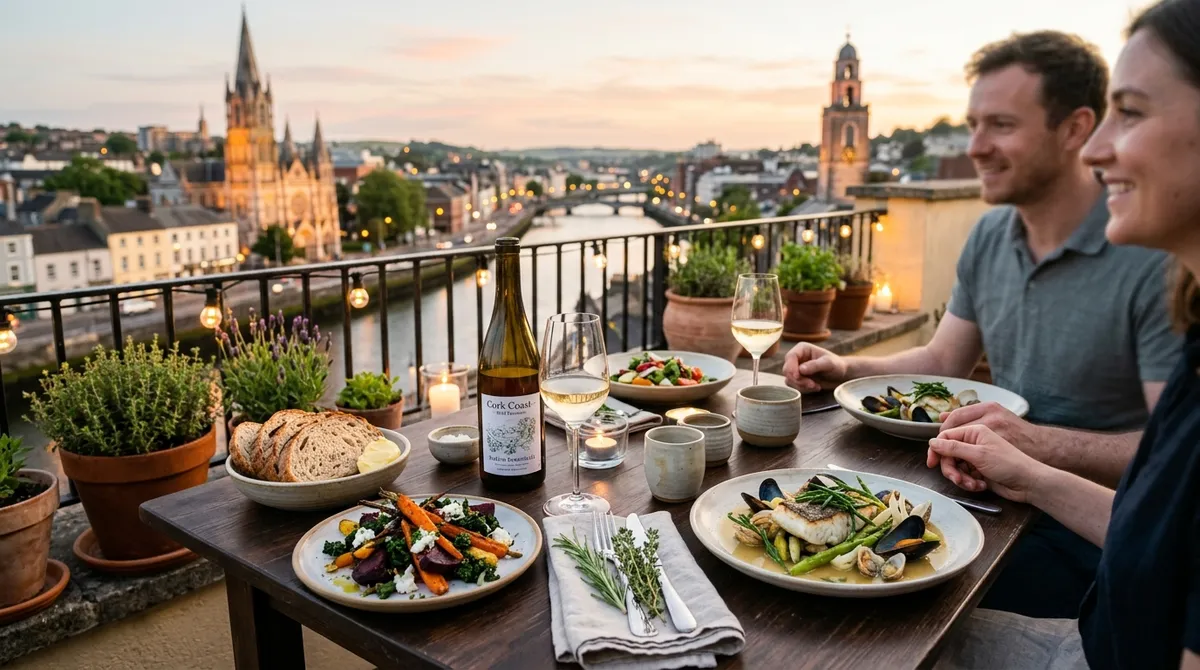
The Dean Hotel has emerged as a contemporary base for food-focused travelers visiting Cork. Reports indicate the hotel features a rooftop restaurant and fitness amenities, positioning itself as a trendy accommodation option that aligns with the city's modern culinary scene.
This type of hospitality development reflects Cork's broader transformation into a sophisticated food destination that can accommodate discerning travelers seeking both exceptional dining and quality accommodations.
Timing and Opportunity in Cork's Culinary Scene
The current moment presents an ideal opportunity for food lovers to explore Cork's culinary offerings. With its thriving local dining scene and continued development, the city offers an authentic Irish food experience that hasn't yet reached the saturation levels of more established European food destinations.
The farm-to-table movement has found particular resonance in Cork, where Michelin-starred chefs emphasize sourcing philosophy and local ingredients. This approach creates unique dining experiences that reflect both Irish culinary traditions and contemporary innovation.
Beyond the Plate: A Complete Food Tourism Experience
Cork's appeal extends beyond individual restaurants to encompass a complete food tourism experience. The combination of market tours, cooking classes, restaurant crawls, and hotel dining packages creates multiple touchpoints for visitors to engage with the local food culture.
The city's size makes it particularly suitable for food-focused itineraries, allowing visitors to experience multiple aspects of the culinary scene within a concentrated area. From morning visits to the English Market to evening dining at Michelin-starred establishments, Cork offers a comprehensive food lover's journey.
As Ireland's culinary scene continues to thrive, Cork has positioned itself as an essential destination for food enthusiasts. The city's blend of traditional markets, innovative restaurants, educational opportunities, and contemporary accommodations creates a compelling case for culinary tourism that goes far beyond simple dining experiences.